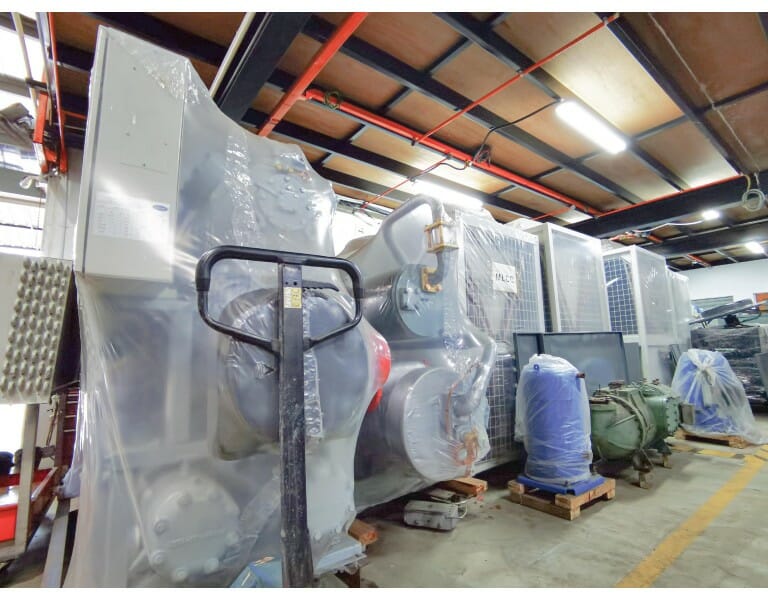
Expert Opinion: How Air Conditioning Compressors Shape Industrial Chiller Performance in Malaysia
Across Malaysia’s dynamic industrial landscape, maintaining optimal production temperatures is essential for manufacturing efficiency, product quality, and equipment longevity. Whether in plastics, food processing, chemical plants, or large-scale warehouses, the industrial chiller is a backbone of process cooling. At the core of every high-performing chiller is the air conditioning compressor—a complex component whose design, quality, and maintenance fundamentally determine overall system reliability and efficiency.
The Central Role of Compressors in Chiller Operation
Compressors act as the engine of an industrial chiller, driving the refrigeration cycle by compressing refrigerant gas and enabling heat to be absorbed and expelled. In both air-cooled chillers and water-cooled chillers, the compressor’s performance governs the chiller’s capacity to deliver consistent process cooling, especially in Malaysia’s hot and humid climate. Selecting the right compressor type and size is not simply a technical detail—it is a strategic decision affecting production uptime, energy consumption, and long-term operational costs.
In day-to-day operations, if the compressor underperforms or fails, the entire chiller system is compromised. This can result in temperature fluctuations, product defects, and unplanned downtime—challenges no manufacturing operation can afford. The compressor’s influence spans not only cooling delivery but also the total cost of ownership, making its selection and upkeep a business-critical consideration for Malaysian industries.
Types of Compressors Used in Malaysian Industrial Chillers
Several compressor designs are prevalent across local industries, each with unique strengths and considerations:
- Scroll Compressors: Compact and efficient, commonly used in smaller air-cooled chillers serving plastics and light industrial applications.
- Screw Compressors: Favoured for medium to large water-cooled chillers, offering robust performance and reliability under continuous heavy loads.
- Reciprocating Compressors: Utilised in certain modular chillers for their proven design and suitability for variable loads.
- Centrifugal Compressors: Applied in large-scale process cooling, such as in chemical plants or major infrastructure, where high capacity and energy efficiency are paramount.
Choosing the best compressor involves weighing factors like cooling load variability, ambient conditions, maintenance preferences, and budget constraints. For Malaysian manufacturers, prioritising compressor reliability is crucial due to the high cost of unexpected downtime.
Each compressor type brings advantages and trade-offs:
- Scroll compressors are popular in environments with tight spaces and moderate cooling demands. Their fewer moving parts mean lower noise and reduced maintenance, ideal for facilities where operational disruption must be minimised.
- Screw compressors are valued for their durability and ability to handle high, continuous loads, making them preferred in industries such as food processing and automotive manufacturing that operate around the clock.
- Reciprocating compressors offer flexibility for varying loads but may require more frequent maintenance due to more moving parts and higher vibration levels.
- Centrifugal compressors are suited for large-scale applications, offering exceptional efficiency at high capacities, but they require sophisticated controls and precise maintenance.
In practice, many industrial facilities in Malaysia deploy a mix of compressor technologies to balance efficiency, redundancy, and cost. For example, a facility might pair screw compressors for base load with scroll compressors to manage peak demand.
How Compressor Performance Affects Industrial Chiller Efficiency
The compressor’s efficiency directly impacts the chiller’s overall power consumption. Modern high-efficiency compressors can reduce energy use by 10–30% compared to outdated models. In Malaysia, where electricity costs are significant for industrial users, this translates into substantial savings over the lifespan of a chiller plant. Factors influencing compressor efficiency include:
- Compressor Design: Advanced screw and scroll compressors feature precision engineering to minimise internal leakage and friction losses.
- Variable Speed Drives (VSDs): Compressors equipped with VSDs automatically adjust speed to match cooling demand, minimising energy wastage during partial load operation.
- Refrigerant Selection: Matching the compressor with the most suitable refrigerant boosts thermodynamic efficiency and meets environmental regulations.
- Maintenance Practices: Regular oil changes, filter replacements, and vibration checks keep compressors running smoothly and efficiently.
For process industries operating around the clock, even minor improvements in compressor efficiency can provide a rapid return on investment through lower utility bills and reduced carbon footprint.
Consider a scenario where a factory operates in two shifts but experiences varying cooling loads. Traditional fixed-speed compressors often run at full capacity regardless of demand, leading to wasted energy. By contrast, a VSD-equipped screw compressor modulates output according to real-time needs, delivering only as much cooling as required. This not only saves energy but also reduces wear and tear, extending compressor lifespan.
Practical Examples: Compressor Choices in Malaysian Manufacturing
Consider a plastic injection moulding facility in Selangor, running multiple production lines with fluctuating loads throughout the day. By upgrading from fixed-speed reciprocating to VSD screw compressors in their air-cooled chillers, the company achieved:
- More stable cooling water supply, reducing product defects caused by temperature swings
- Up to 18% reduction in monthly electricity usage
- Smoother ramp-up and shutdown, minimising mechanical stress and extending compressor lifespan
Similarly, a food processing plant in Penang opted for scroll compressors for their compact size and lower noise, facilitating installation in space-constrained areas adjacent to production floors. These real-world choices demonstrate how tailoring compressor selection to specific operational needs delivers measurable benefits.
Another case involves a chemical plant in Johor facing high ambient temperatures and corrosive environments. The facility upgraded to centrifugal compressors with advanced coatings and built-in diagnostics for continuous performance monitoring. This investment led to:
- Reduced unplanned shutdowns due to early detection of faults
- Lower maintenance costs through predictive servicing
- Improved energy efficiency, aligning with the plant’s sustainability goals
In electronics manufacturing, where precise temperature control is crucial, plants often integrate multiple small scroll or reciprocating compressors in modular chillers. This approach provides redundancy—if one compressor needs servicing, others maintain cooling—ensuring uninterrupted production and minimising risk of costly downtime.
These diverse examples highlight the importance of aligning compressor technology with operational priorities, facility constraints, and long-term business goals.
Reliability, Maintenance, and Lifecycle Considerations
The operational environment in Malaysia—characterised by high humidity, fluctuating grid voltage, and airborne contaminants—places additional stress on industrial chillers and their compressors. To ensure longevity:
- Preventive Maintenance: Scheduled inspection and maintenance of compressors is vital. This includes monitoring oil levels, refrigerant charge, electrical connections, and bearing condition.
- Spare Parts Readiness: Maintaining an inventory of essential spare parts—such as valves, fan motors, thermostats, and pressure switches—reduces downtime during repairs.
- Professional Servicing: Engaging experienced technicians for troubleshooting and overhauls is critical, as improper compressor handling can lead to catastrophic failure.
Many Malaysian factories partner with established suppliers who offer after-sales support and fast access to replacement compressors or critical components, providing peace of mind and operational continuity.
To further enhance reliability, some facilities implement remote monitoring systems that track compressor parameters in real time. By analysing data trends, maintenance teams can identify inefficiencies or developing faults early—such as increased vibration, abnormal temperature, or gradual loss of pressure—allowing for proactive intervention before failures occur.
Lifecycle costing is equally important. The initial purchase price of a compressor is only one factor; energy consumption, frequency of repairs, and downtime costs often far exceed upfront savings from selecting a cheaper, lower-quality unit. Smart buyers calculate the total cost of ownership (TCO) over ten years or more, prioritising robust design and supplier support.
Compressor Selection and Chiller Design: Key Factors
When planning a new industrial chiller installation or upgrading existing equipment, several factors must be considered in compressor selection:
- Required Cooling Capacity: Accurately calculating process heat loads ensures neither under- nor over-sizing the compressor.
- Operational Profile: Facilities with highly variable cooling demands benefit from chillers equipped with VSD compressors or modular arrays.
- Ambient Conditions: High outdoor temperatures and humidity, common in Malaysia, require compressors rated for tropical environments and robust ventilation.
- Noise and Vibration Constraints: For installations near sensitive production or office areas, low-noise compressors and vibration isolation are essential.
- Integration with Building Management Systems (BMS): Modern compressors with smart controls enable remote monitoring, predictive maintenance, and energy optimisation.
Working with a supplier experienced in both chiller and compressor technologies ensures that design choices align with long-term performance and serviceability objectives.
Another critical consideration is future scalability. Facilities anticipating production growth should select compressors and chiller systems that allow for capacity expansion—either through modular additions or by initially oversizing the compressor within reasonable limits. This approach helps avoid costly system replacements as business needs evolve.
Energy Efficiency and Environmental Compliance
With rising awareness of sustainable manufacturing and government incentives for energy savings, Malaysian industries are increasingly investing in high-efficiency compressors for their chillers. Benefits include:
- Reduced Carbon Emissions: Efficient compressors lower electrical consumption, decreasing the facility’s environmental footprint.
- Compliance with Local Regulations: Adhering to Malaysia’s Minimum Energy Performance Standards (MEPS) and refrigerant phase-out timelines is easier with modern compressor technology.
- Eligibility for Incentives: Upgrading to high-efficiency chillers and compressors may qualify manufacturers for energy rebates and green certification programs.
Future-focused compressor selection supports both business competitiveness and environmental stewardship.
Additionally, facilities are encouraged to document energy performance improvements post-upgrade, both to demonstrate compliance and to uncover further energy-saving opportunities. For example, regularly benchmarking power usage before and after compressor retrofits can reveal the true payback period and identify new areas for efficiency gains.
Efficient compressors also support the adoption of eco-friendly refrigerants with lower global warming potential (GWP), helping manufacturers future-proof their operations against changing environmental standards and global agreements.
Common Mistakes in Compressor Specification and How to Avoid Them
- Overlooking Local Service Support: Selecting a compressor brand with limited Malaysian representation can result in long wait times for spare parts and repairs.
- Ignoring Part-Load Efficiency: Focusing only on full-load performance may overlook significant energy-saving potential during partial load operation—common in most factories.
- Underestimating Installation Requirements: Not factoring in ventilation, vibration isolation, or accessibility can complicate maintenance and reduce compressor lifespan.
- Delaying Preventive Maintenance: Postponing regular checks leads to inefficiencies, higher energy costs, and unexpected failures.
- Neglecting Documentation: Skipping the recording of maintenance history or performance benchmarks makes troubleshooting and optimisation difficult down the road.
By proactively addressing these common pitfalls, facility managers can ensure their compressor investment delivers lasting value.
Actionable Tips for Malaysian Facility Managers and Engineers
- Audit Existing Chillers: Regularly evaluate compressor performance, energy use, and service history to identify upgrade opportunities.
- Choose Proven Brands: Opt for compressors from reputable manufacturers with local support networks in Malaysia.
- Plan for Spare Parts: Work with suppliers who offer ex-stock availability of critical compressor and chiller parts.
- Invest in Training: Ensure maintenance teams are trained on compressor troubleshooting and routine care.
- Consider Total Cost of Ownership: Factor in energy savings, reliability, and after-sales support, not just upfront price.
- Implement Remote Monitoring: Use IoT-enabled systems to track compressor health, predict failures, and schedule timely maintenance.
- Engage in Continuous Improvement: Establish KPIs for compressor efficiency and maintenance, and seek regular feedback from operators to refine practices.
Adopting these practices helps ensure reliable, efficient cooling for continuous industrial operations.
Conclusion: The Compressor’s Strategic Importance in Malaysian Industry
In summary, the air conditioning compressor is not merely a component but the heart of any industrial chiller system, with far-reaching effects on cooling performance, energy costs, and operational resilience. In Malaysia’s challenging industrial environment, careful compressor selection, proactive maintenance, and collaboration with trusted suppliers empower manufacturers and facility managers to achieve reliable process cooling, lower operating costs, and long-term sustainability.
For those planning new projects or seeking to optimise existing systems, expert consultation and a focus on compressor technology deliver measurable value—today and into the future.
Frequently Asked Questions
What is the role of an air conditioning compressor in an industrial chiller?
The air conditioning compressor is responsible for compressing refrigerant and driving the refrigeration cycle within an industrial chiller. It enables the system to absorb heat from the process or environment and expel it, providing consistent cooling performance. The compressor’s efficiency and reliability directly affect the chiller’s capacity, energy use, and operational lifespan.
How can I choose the right compressor for my industrial chiller in Malaysia?
Choosing the right compressor involves assessing your facility’s cooling load, operational patterns, required efficiency, and environmental conditions. Factors such as compressor type (scroll, screw, reciprocating, centrifugal), compatibility with refrigerants, availability of spare parts, and after-sales support should all be considered. Consulting with experienced local suppliers helps ensure the compressor fits your operational needs and maintenance capabilities.
What maintenance practices help extend compressor life in Malaysian industrial environments?
Regular preventive maintenance—including oil and filter changes, vibration checks, refrigerant monitoring, and electrical inspections—is essential for compressor longevity. Keeping spare parts on hand and engaging qualified technicians for servicing reduces downtime. Monitoring for early signs of wear or abnormal operation allows for timely repairs and avoids costly failures.
Are there energy efficiency standards for industrial chiller compressors in Malaysia?
Yes, Malaysia has implemented Minimum Energy Performance Standards (MEPS) and is phasing out certain refrigerants in line with global agreements. Upgrading to efficient compressor technologies not only reduces energy consumption and operational costs but also helps facilities comply with regulatory requirements and qualify for energy-saving incentives.
How does compressor selection impact chiller maintenance and operating costs?
Compressor selection affects both the frequency and complexity of maintenance, as well as long-term operating costs. High-efficiency and robust compressors typically require less frequent repairs and consume less energy, resulting in lower overall costs. Choosing compressors with strong manufacturer support and locally available spare parts further minimises downtime and maintenance expenses.
Unlock Unmatched Industrial Cooling Performance with Amcon
Ready to optimise your process cooling and enhance chiller reliability? Amcon offers expert guidance, high-performance air conditioning compressors, and complete industrial chiller solutions tailored to Malaysia’s demanding environments. With over 35 years of experience, integrated engineering capabilities, and strong after-sales support, we help manufacturers, facility managers, and contractors achieve efficient, reliable, and cost-effective cooling. Reach out to our specialists today and discover how Amcon’s solutions can transform your operations.